Define the Product
Document the formula, ingredients, packaging, intended use, and specifications that production must meet.
Manufacturing capabilities
Explore product development and manufacturing for skincare, haircare, dietary supplements, pet care, and personal care. We help you assess the formula, packaging, sourcing, and production requirements behind your product.
Discuss Your Product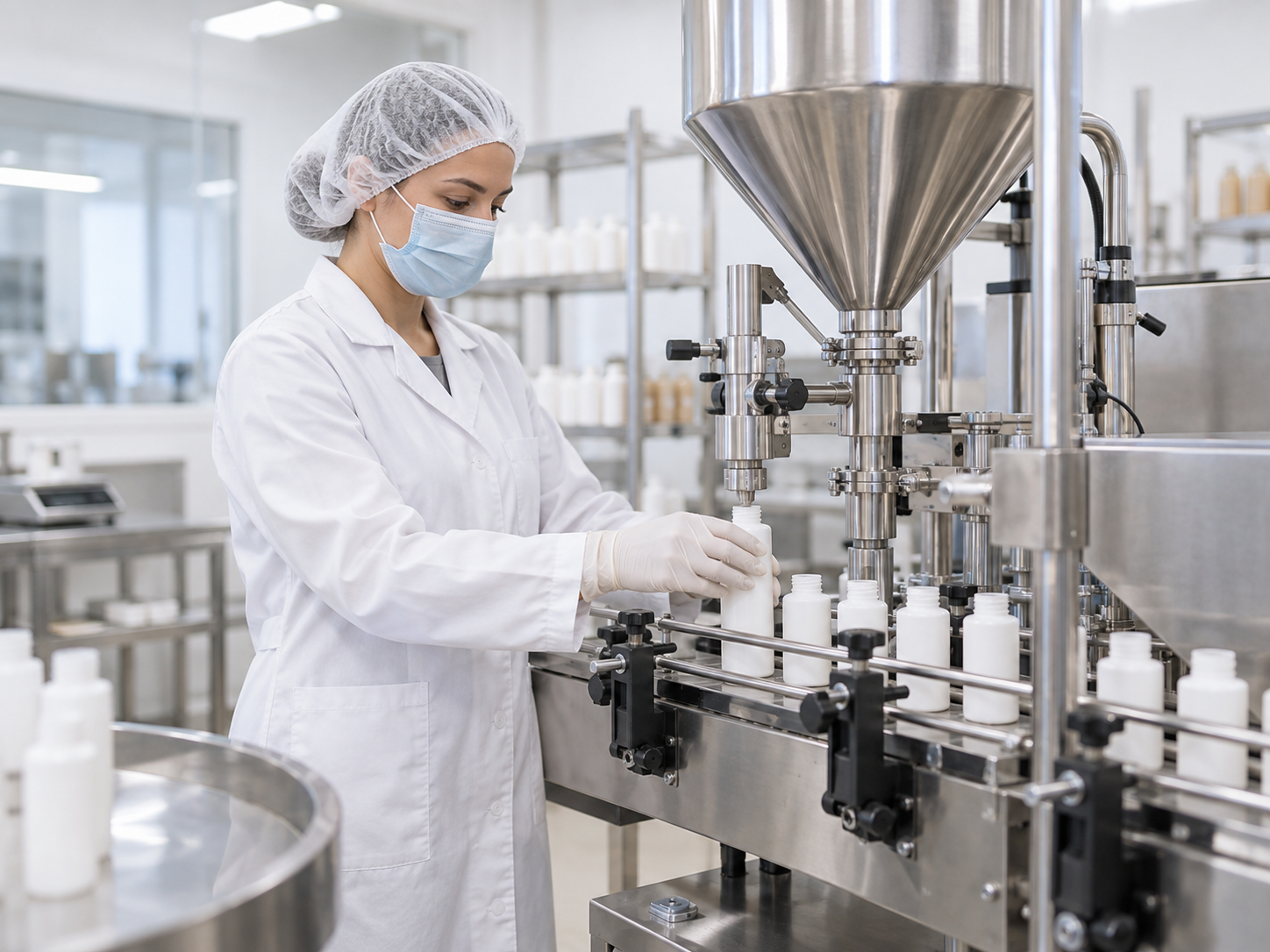 Good practice. Every step.
Product Categories
Start with your category, then explore the product details and decisions your project needs. Availability is confirmed against your brief.
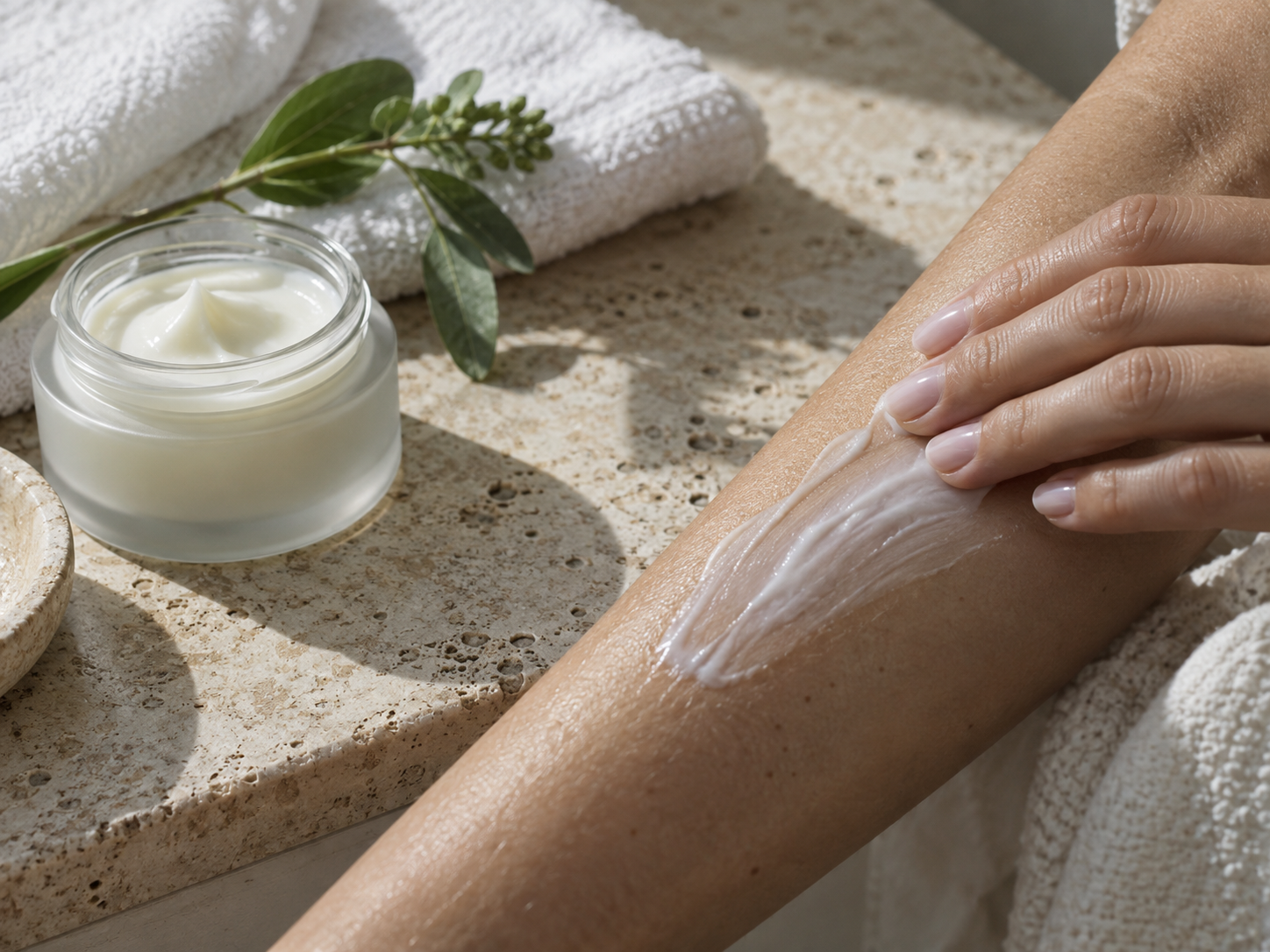
Serums, creams, cleansers, masks, oils, and other skincare formats.
Serums, creams, cleansers, masks, and oils, with formulation and packaging options shaped around your customer and product brief.
What to Share With UsTarget customer, desired benefits, benchmark products, ingredient preferences, and intended retail channel.
What We’ll DiscussPrivate label or custom path, texture and sensorial profile, component compatibility, testing, claims direction, and replenishment.

Shampoo, conditioner, scalp care, styling, and scalp and styling products.
Shampoos, conditioners, scalp care, and styling products developed around hair type, routine, texture, and packaging preferences.
What to Share With UsHair type, routine position, primary performance goal, benchmark products, format, and target price architecture.
What We’ll DiscussFormula system, fragrance and texture, regimen logic, component choice, testing needs, and how products work together.
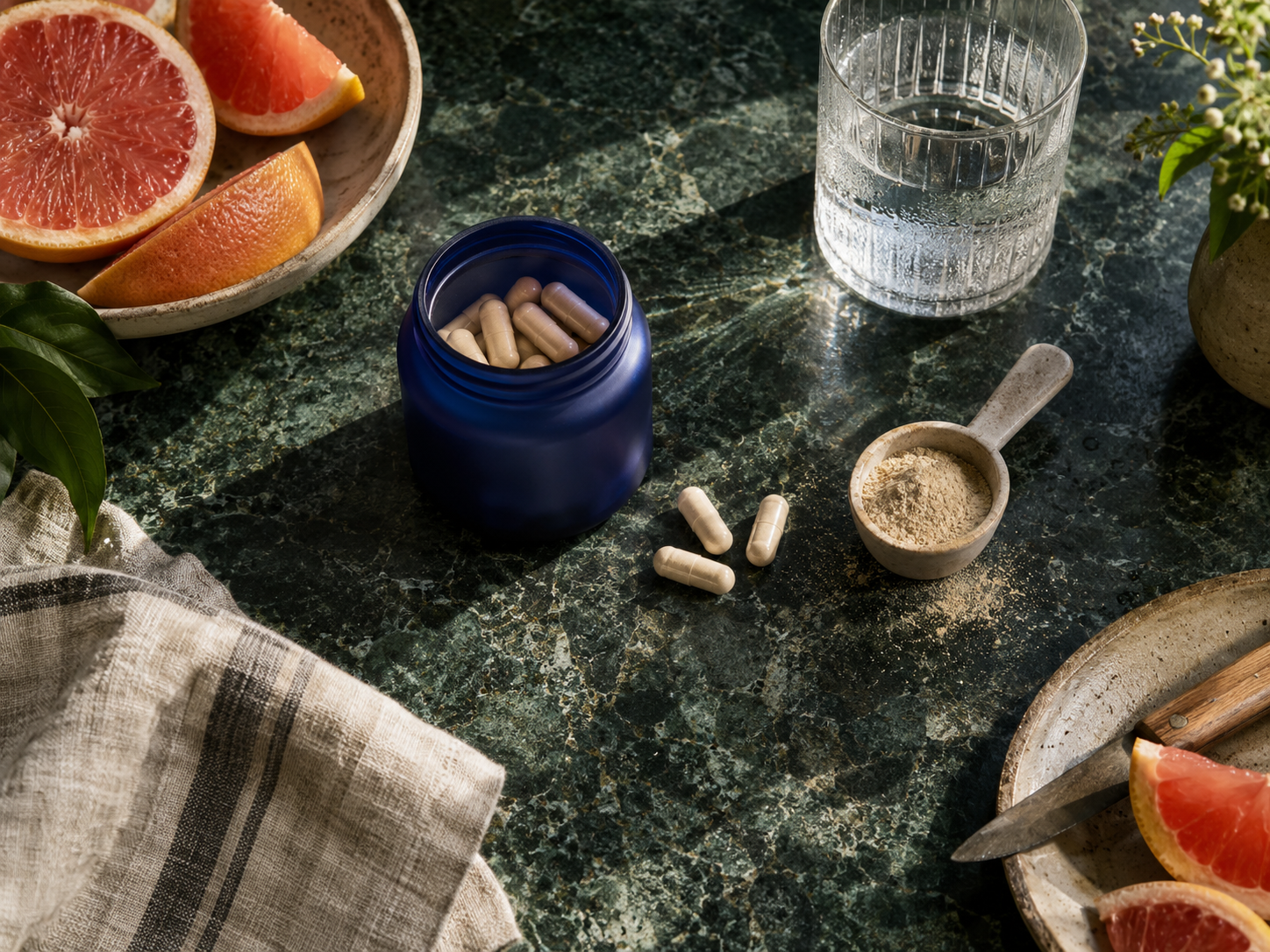
Explore capsule, powder, tablet, and liquid options; format availability is confirmed for your project.
Explore dietary supplement formulations and delivery formats, with ingredient, testing, and packaging requirements assessed for your project.
What to Share With UsAudience, intended use, format preference, ingredient direction, serving experience, channel, and target economics.
What We’ll DiscussPrivate label or custom formula, dosage form, flavor, raw-material documentation, testing, label responsibilities, and packaging.

Pet grooming and ingestible product options, with species and intended use guiding the brief.
Explore pet grooming and ingestible product options. Species, intended use, ingredients, and sales market guide development requirements.
What to Share With UsSpecies, intended use, product format, ingredient direction, palatability needs, claims boundaries, and sales channel.
What We’ll DiscussProduct classification, formula and flavor, testing, label requirements, packaging, state distribution needs, and replenishment.
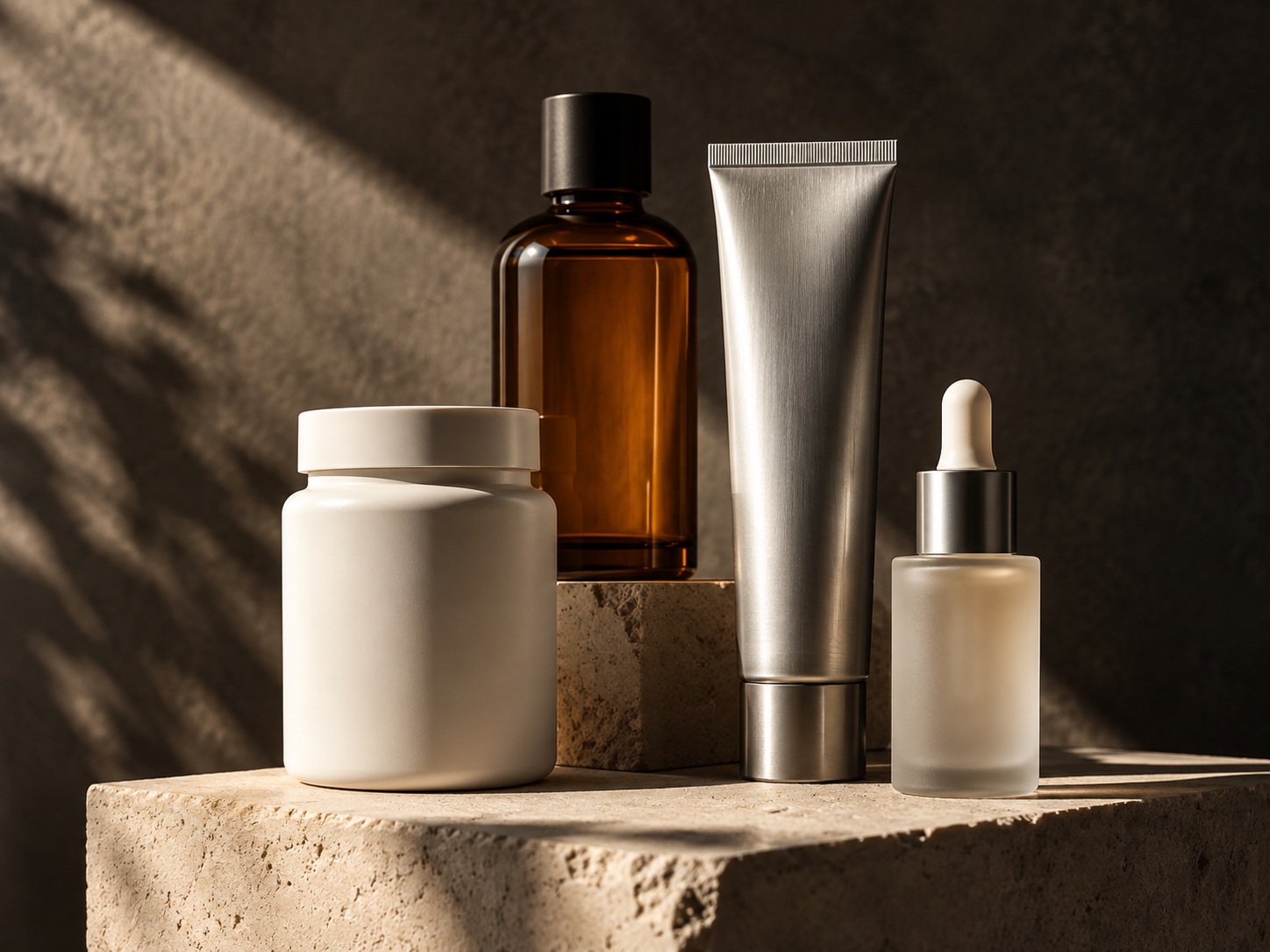
Body care, foot care, and everyday personal care essentials.
Body care, foot care, and everyday personal care products, with attention to feel, function, and how customers use them.
What to Share With UsCustomer routine, product role, benchmark, sensorial direction, component preference, channel, and price position.
What We’ll DiscussFormula route, fragrance and texture, compatibility, claim language, decoration, pack-out, and line-extension potential.
Global Supply Management
GP Labs connects product development with international sourcing through our overseas team and manufacturing partnerships. Bring your formula goals, packaging ideas, target quantity, and intended markets into one conversation.
Compare manufacturing options by capability, documentation, production requirements, and total landed cost. Consider the next order alongside the first: component availability, lead times, and clear specifications all belong in the plan.
Discuss Your Sourcing NeedsQuality Assurance
Quality planning connects the product brief to decisions throughout development and manufacturing. Your project scope should establish what needs to be checked, which records are required, and who is responsible for each approval.
Document the formula, ingredients, packaging, intended use, and specifications that production must meet.
Review the proposed site’s relevant capabilities, documentation, and certification scope.
Agree on sample approvals and the compatibility or stability work appropriate to the product.
Identify the tests, methods, acceptance criteria, and laboratory scope relevant to the category and intended markets.
Define the batch records, test results, traceability information, and other documents needed for the project.
Before production starts, agree who reviews results, addresses deviations, and authorizes release.
Certifications & Documentation
Registration, manufacturing certification, and laboratory accreditation answer different questions. Evaluate each document against the product, facility, activity, and market it actually covers.
Registration or listing may apply, depending on the product and business. It is not FDA certification or product approval.
FDA cosmetics registration
Manufacturing practices depend on the product category. For U.S. dietary supplements, 21 CFR Part 111 is a key framework.
FDA supplement GMP
A GMP certification framework for dietary supplement facilities. Facility certification is distinct from finished-product certification.
NSF/ANSI 455-2
Guidelines covering cosmetic production, control, storage, and shipment. Review the certificate’s site and activity scope.
ISO 22716
A standard used to assess laboratory competence. Review the accreditation scope for the relevant tests.
ISO/IEC 17025
Identify the particular service and document: a laboratory report and a named GMP certification support different claims.
Eurofins GMP programCheck the certificate holder, covered site, activities, issuing body, and current status. These are frameworks to evaluate for your project, not a statement that every GP Labs partner holds every credential.
Manufacturer Search Guide
A strong comparison goes beyond unit price. Use these questions to compare manufacturing options against your brief.
Start by choosing a private label, custom formulation, or formula-transfer path. Then compare the actual manufacturing location, formula ownership, minimums by formula and component, sampling, stability and packaging compatibility, MoCRA responsibilities, documentation, and production timing. GP Labs scopes those decisions against the product brief and launch market.
Ask which dosage forms they run, whether the formula is stock or custom, what drives the minimum order, and which ingredient, batch-testing, certificate-of-analysis, cGMP, label, packaging, and lead-time records apply. Treat “FDA registered” as a facility status—not as approval of a supplement product.
Define the species, intended use, format, ingredients, flavor or palatability needs, and sales channel first. Then compare label and claim review, animal-food requirements, testing, state distribution needs, packaging, minimums, and replenishment. In the United States, products marketed as supplements for animals follow animal-food or animal-drug rules according to their ingredients and intended use. Grooming products require a separate classification and claims review.
Minimum order quantities are shaped by formula complexity, raw-material supplier minimums, production setup, dosage form, component availability, decoration method, testing, and pack-out. Existing private label formulas may offer a simpler starting point; custom products usually require more development and coordination.
Regulatory starting points: FDA cosmetics registration and listing, dietary supplement information, and animal food labeling and pet food claims.
What Connects Every Category
Align the product experience, ingredient direction, performance goals, and intended routine.
Map the appropriate stability, compatibility, safety, and documentation path for the brief.
Balance shelf impact, usability, compatibility, sourcing realities, and target economics.
Coordinate manufacturing, filling, finished goods, and a practical plan for what comes next.
Manufacturing Around the World
Practical questions about choosing manufacturers and preparing products for the USA, Canada, and Europe. Requirements depend on the product and market; country examples do not identify GP Labs facility locations.
Start with your product category, formulation, packaging, order quantity, and sales markets. Compare each proposed facility against those requirements. Ask about sample development, relevant credentials, production documentation, and responsibilities. A useful proposal makes both the scope and the assumptions clear.
Compare production capability, minimum quantities, sampling, packaging availability, freight, import responsibilities, and reorder timing. The lowest unit price may not produce the lowest landed cost. Evaluate domestic and overseas options against the same product specifications.
Review the specific site and the product it will make. Ask which relevant certificates cover that location and process, what documentation will be available, and how samples will be approved. For U.S. food or supplement imports, establish who handles applicable foreign-supplier verification responsibilities; duties vary with the product and importing arrangement.
Learn more: FDA foreign supplier verification
Ask about experience with your product category, manufacturing process, ingredient specifications, and proposed packaging. Review relevant certificates and clarify testing, traceability, and production documentation. For botanical products, identify the ingredient specifications early. Apply these checks to the proposed supplier regardless of country.
Yes, subject to meeting the destination market’s requirements. Korean manufacturing origin does not establish U.S. or EU compliance. Review formulation, claims, labeling, safety documentation, and applicable registrations or notifications for each market. U.S. registration and EU market-entry requirements are different.
Learn more: FDA cosmetics registration · EU cosmetics framework
No. Manufacturing location does not establish authorization for another market. Review the product against applicable U.S. requirements, including classification, formulation, claims, and labeling. FDA does not provide premarket approval for dietary supplements. Cosmetic registration is also distinct from approval.
Learn more: FDA supplement questions · FDA cosmetics registration
First confirm whether the product is classified as a natural health product. These products require licensing before marketing. Commercial importers need the relevant site licence, with the foreign manufacturing site listed on it. A manufacturing certificate does not replace Canadian product and import requirements.
Learn more: Health Canada importing requirements
Confirm the product’s classification, ingredients, and labeling requirements. Manufacturers and importers must notify Health Canada within ten days after first sale. Notification is distinct from approval and does not replace the other requirements that apply to the product.
Learn more: Health Canada cosmetic notifications
Plan for an EU responsible person, a cosmetic product safety report, and notification through the Cosmetic Products Notification Portal, alongside the other applicable requirements. Treat the UK and other non-EU European markets separately when planning your launch.
Learn more: EU cosmetics framework
Do not assume one launch process covers every country. EU food supplement rules provide a shared framework, but individual member states may require notification to their competent authorities. Check each intended market before finalizing your launch plan.
Learn more: EU food supplements
No. FDA registration is not product approval. FDA does not approve dietary supplements, and cosmetic registration or listing does not mean a facility or its products are FDA approved. FDA does not issue certificates verifying cosmetic registration or listing compliance.
Learn more: FDA supplement questions · FDA cosmetics registration
GMP means good manufacturing practice. Its requirements depend on the product category. For U.S. dietary supplements, 21 CFR Part 111 is a key framework. If a supplier claims third-party GMP certification, ask which standard, facility, and activities its certificate covers.
Learn more: FDA supplement GMP
Not necessarily. A facility certified to NSF/ANSI 455-2 is different from a finished product certified under an NSF product program. Ask which certificate applies to the proposed facility and whether your specific product is separately certified.
Learn more: NSF/ANSI 455-2
Ask what the claim describes. A test report relates to the sample and tests reported. Eurofins also offers named GMP certification programs with defined requirements. Request the actual report or certificate and review its scope; a claim should not be broader than its documentation.
Learn more: Eurofins GMP program
ISO 22716 addresses cosmetic manufacturing practices. ISO/IEC 17025 addresses laboratory competence. Review the manufacturing certificate for the proposed facility and laboratory accreditation scope for the relevant tests. Neither is universal authorization to sell a product.
Learn more: ISO 22716 · ISO/IEC 17025
Define product specifications, supplier and site review, sample approvals, appropriate testing, documentation, and release responsibilities. Identify who performs each activity and how changes or results outside the agreed specifications are handled. Required detail depends on the product and intended markets.
Request the agreed specifications, approved samples, proposed testing scope, relevant facility certificates, and production terms. Clarify which batch and test documents will be supplied later, who reviews them, and what must happen before release. Not every document is applicable or available at the same stage.
Do not assume so. Classification, ingredients, claims, labeling, and market-entry requirements need review for each destination. Establish intended markets before finalizing your formula and packaging so differences can be addressed during development.
Learn more: EU cosmetics framework · Health Canada cosmetic notifications
The next move starts here
Share your category, intended markets, order quantity, and the development or sourcing support you need.